Mastering Jazz Drums: A Beginner's Guide to Getting Started


Understanding the Basics
Jazz drumming is a fascinating and intricate art form that combines creativity, technical skill, and a deep understanding of rhythm. For beginners, mastering jazz drums may seem daunting, but with the right approach, anyone can get started on this exciting journey. In this guide, we’ll explore the fundamental aspects of jazz drumming to help you kickstart your musical adventure.
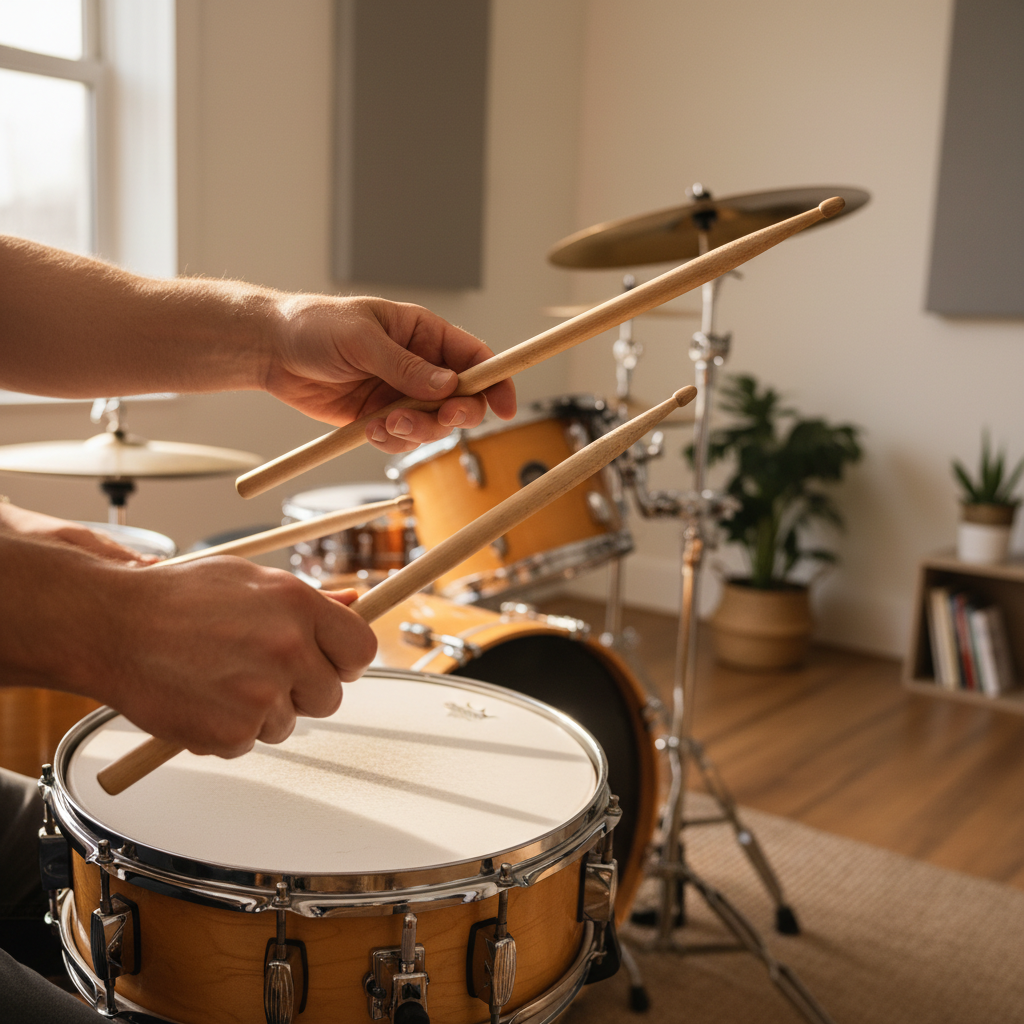
The first step in learning jazz drums is to familiarize yourself with the basic drum set components. A standard jazz kit typically includes a snare drum, bass drum, hi-hat, ride cymbal, and one or two toms. Understanding each piece and its role will set the foundation for your practice.

Developing Your Technique
Technique is crucial in jazz drumming. Start by focusing on your grip and stick control. Proper grip ensures fluidity and reduces fatigue, allowing you to play more complex rhythms with ease. Practice basic rudiments such as single strokes, double strokes, and paradiddles. These exercises will build your hand strength and coordination.
Another essential technique is the use of the bass drum and hi-hat pedals. Developing independence between your hands and feet is key to playing intricate jazz patterns. Begin with simple exercises, gradually increasing the complexity as you gain confidence.
Embracing Jazz Rhythms
Jazz is characterized by its unique swing feel and syncopated rhythms. To master jazz drumming, immerse yourself in the genre by listening to iconic jazz drummers like Max Roach, Art Blakey, and Elvin Jones. Pay attention to how they interact with the band and create dynamic, flowing rhythms.
Practice playing along with jazz tracks to develop your sense of timing and groove. Focus on the ride cymbal pattern, often referred to as the "jazz ride," which is fundamental to maintaining the swing feel. Experiment with different tempos to challenge yourself and improve your versatility.

Improvisation and Creativity
Jazz drumming is not just about playing written parts; it's about creating music in the moment. Improvisation is a core component of jazz, allowing you to express your individuality. Start by improvising simple fills and solos over basic grooves. As you become more comfortable, incorporate different dynamics and textures to add depth to your playing.
Joining jam sessions or playing with other musicians can greatly enhance your improvisational skills. Collaborating with others encourages you to listen and adapt, fostering a deeper musical connection.
Building Your Repertoire
As you advance, expand your repertoire by learning classic jazz standards. Familiarity with these tunes will prepare you for various playing situations and enhance your ability to communicate with other musicians. Focus on pieces like "Take Five," "Blue Monk," and "So What," which are staples in the jazz world.
Record your practice sessions to track your progress and identify areas for improvement. Listening back to yourself can provide valuable insights into your playing and help you refine your technique.
Staying Committed and Inspired
Mastering jazz drums requires dedication and consistent practice. Set achievable goals and maintain a practice schedule to ensure steady progress. Celebrate small victories along the way to stay motivated and inspired.
Finally, immerse yourself in the rich history of jazz. Attend live performances, explore different jazz subgenres, and connect with fellow musicians. The more you engage with the jazz community, the more you'll grow as a drummer.
By following these steps and nurturing your passion for jazz, you'll find yourself on the path to becoming a skilled jazz drummer. Embrace the journey and let the rhythm guide you.