
Jazz Drumming Techniques: Common Myths and Misconceptions


Understanding Jazz Drumming
Jazz drumming is a unique and vital component of the genre, characterized by its swing and syncopation. However, despite its importance, several myths and misconceptions surround jazz drumming techniques. These misunderstandings can discourage aspiring drummers from exploring this dynamic style. In this post, we'll debunk some common myths and provide clarity on what jazz drumming truly entails.

Myth 1: Jazz Drumming is All About Speed
One of the most prevalent misconceptions is that jazz drumming is solely about playing fast. While speed can be a part of jazz drumming, it's not the defining characteristic. Jazz drummers focus on rhythm, feel, and dynamics. The ability to maintain a steady tempo and create a groove is far more important than pure speed.
In jazz, drummers often use brushes and employ subtle techniques to enhance the music's texture. This requires finesse and control, not just rapid playing.
Myth 2: Jazz Drumming is Only for the Highly Skilled
Another common misconception is that jazz drumming is too complex for beginners. While jazz drumming does require practice and dedication, it's accessible to drummers of all skill levels. Beginners can start with basic swing patterns and gradually build their skills. The key is to focus on developing a good sense of timing and rhythm.
The Role of Improvisation
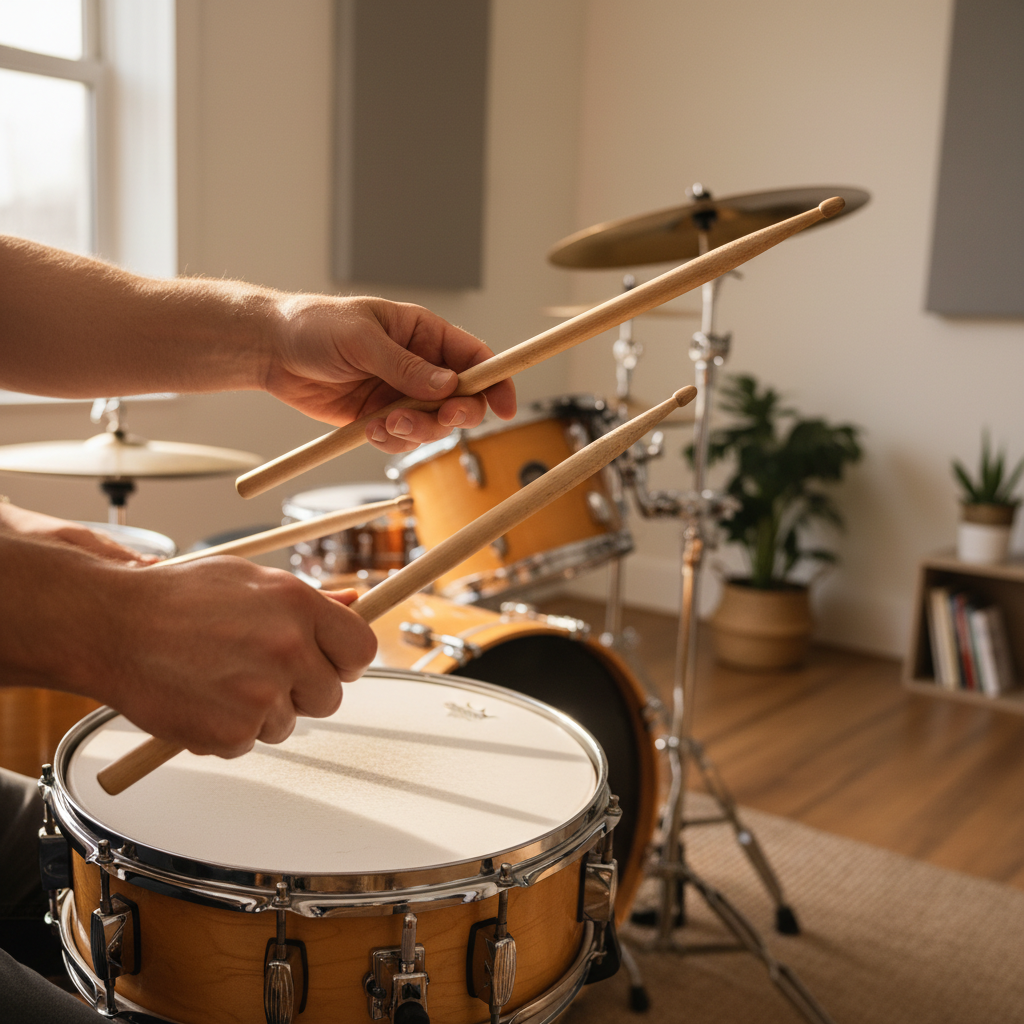
Improvisation is a cornerstone of jazz, and for drummers, this means being able to adapt and respond to the music. Some believe that improvisation is an innate talent, but it is a skill that can be learned and refined. Drummers can start by practicing basic fills and slowly incorporating them into their playing.
Listening to jazz recordings and playing along can help drummers understand how to improvise effectively. Over time, they'll develop their unique style and voice.
Myth 3: Jazz Drummers Don't Need to Learn Music Theory
Some people think that jazz drummers can skip music theory. However, understanding musical structure, chord progressions, and song forms can significantly enhance a drummer's ability to contribute to a band. Knowledge of theory allows drummers to anticipate changes and play more musically.

Exploring Different Styles
Jazz drumming isn't monolithic; it encompasses a wide range of styles, from bebop to fusion. Each style has its unique requirements and challenges. Exploring different styles helps drummers expand their skills and adaptability. It also enriches their understanding of the genre as a whole.
Drummers are encouraged to study various jazz legends to appreciate the diversity within jazz drumming and find inspiration in their techniques.
Final Thoughts
Jazz drumming is a rewarding pursuit filled with opportunities for creativity and expression. By dispelling these myths and understanding the truths behind jazz drumming techniques, aspiring drummers can approach the genre with confidence and enthusiasm. Remember, jazz is about expressing yourself and contributing to the music, and drumming is a powerful way to do just that.